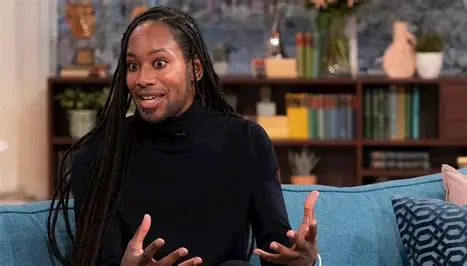
This piece by former National Union of Journalists Scottish Organiser, Paul Holleran, examining the tragic death of Jason Arday was origionally published in Issue 649 of the Scottish Socialist Voice.
THE TRAGIC DEATH of Jason Arday has triggered a fevered response about the future of the regulation of the press in Britain. There have been calls for the full implementation of the Leveson Report and for a national inquiry into the role of the press in the suicide.
On the other hand the “freedom of the press” has become a cause celebre among right wing commentators.
Trust me: I have tried not to plagiarise any of this tragic story but I have read articles and comments, spoken to autism experts and researched elements of it for this article. I also have experience in the issues of reporting mental illness and suicide in the media and I will attribute where possible.
For example, The Telegraph quoted Tory leader Kemi Badenoch in her views on the subject: Ms Badenoch said: “He (Jason Arday) was used in his life by certain quarters, and now his death is being used by others to further a different agenda — one which is really about an attack on press freedom. I think that’s appalling. I don’t think that Jason Arday’s death should be used as a way to bring about a muzzling of the press. Freedom of the press is something I very much believe in.”
In the same vein Stephen Pollard wrote in the Spectator of how he was leaving the NUJ because of the position the Union has taken on the role of some journalists and publishers in Jason taking his own life. Other commentators and journalists have responded in such vitriolic ways adding bile and abuse to the “debate” that I don’t think we need to read those opinions, for the good of our health.
Who are these people? What is upsetting them? Is it because they work for media owning billionaires? Where is their empathy towards, if not Jason, his family?
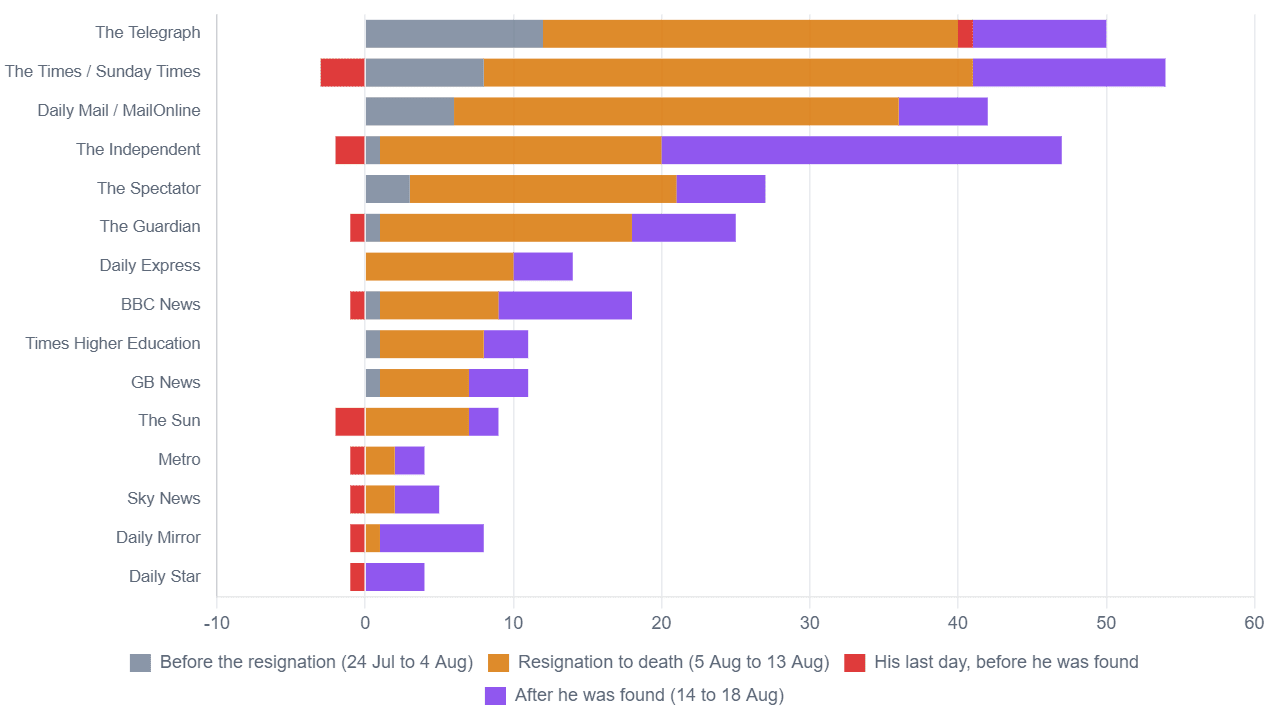
Friends and colleagues of Jason Arday had flagged their concerns at the ongoing treatment of the academic, both before and after he resigned his post. In a conversation I had with Barbara Jacobs, a leading author and expert on autism, I expressed my fears that this kind of hounding by the media could trigger suicidal ideation – thoughts by the victim of taking their own life. Two days later Jason was found dead.
A friend and colleague of his had contacted editors at The Guardian regarding their coverage of the resignation and history of Jason’s life. Despite those concerns being expressed very strongly the paper continued their “investigation” and published an article which could be deemed critical and detrimental to his reputation.
Another friend and colleague wrote: “I cannot stand by and watch when an autistic man is on the ground and the kicking continues. This is relentless bullying of a vulnerable autistic man and raises safe-guarding issues. It’s time to stop.”
This is the crux of the matter. What risk assessments are done by the journalist and or editor on such actions, particularly when they have been warned as the vulnerability of the individual in the report?
The Good Law Project have been involved in this case and have produced a letter – signed and supported by many – to the government. The letter said: “There cannot be any doubt that Dr Arday’s tragic death was the direct, foreseeable and foreseen result of press harassment. A significant element in that harassment was the colour of his skin. Self-regulation of the press has comprehensively failed.
“We respectfully ask you to commission an immediate public inquiry into how to ensure a responsible press given its contribution to Dr Arday’s tragic death.”
There can be no doubt that racism has played a major role in this tragedy but there is also the issue of Jason Arday’s mental health and autism. The NUJ has a Code of Conduct which is an ethical framework for journalists carrying out their work. The Code states that journalists should not produce ‘material likely to lead to hatred or discrimination on the grounds of a person’s age, gender, race, colour, creed, legal status, disability, marital status, or sexual orientation.’
Around 1996 I was the NUJ Scottish Organiser and worked closely with Claire Walker of the Scottish Association of Mental Health (SAMH) in producing the first of five editions of a booklet, Responsible Reporting on Mental Health, Mental Illness and Suicide. Over 20 years, the booklet had an impact on attitudes both in the press and, in turn, on the public, with the numbers of deaths dropping during that period. Editors and heads of news bought into the concept of responsible reporting, the use of language, sensitivities around mental health conditions.
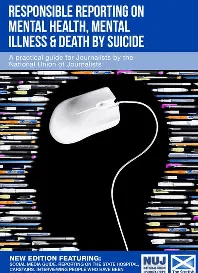
That practical guide and its approach appears to have vanished into the ether. It has been forgotten, ignored, undermined and now it appears ridiculed by some as being a left wing tool to suppress editorial freedom.
The abuse in derogatory terms of people of disability, race or other protected characteristics under the Equality Act is rife. This type of irresponsible reporting impacts the mental health of many people and can lead to suicide. The NUJ then and today have tried to encourage the highest professional reporting standards. The aim is to protect, particularly the most vulnerable people. The guidelines and the Code of Conduct are not censorship or some form of political correctness but about maintaining standards matter towards a decent society.