LABOUR’S ‘KING OF THE NORTH’ SET TO OUST STARMER AND BECOME BRITAIN’S SEVENTH PRIME MINISTER IN TEN YEARS
By Colin Fox, SSP National Co-Spokesperson
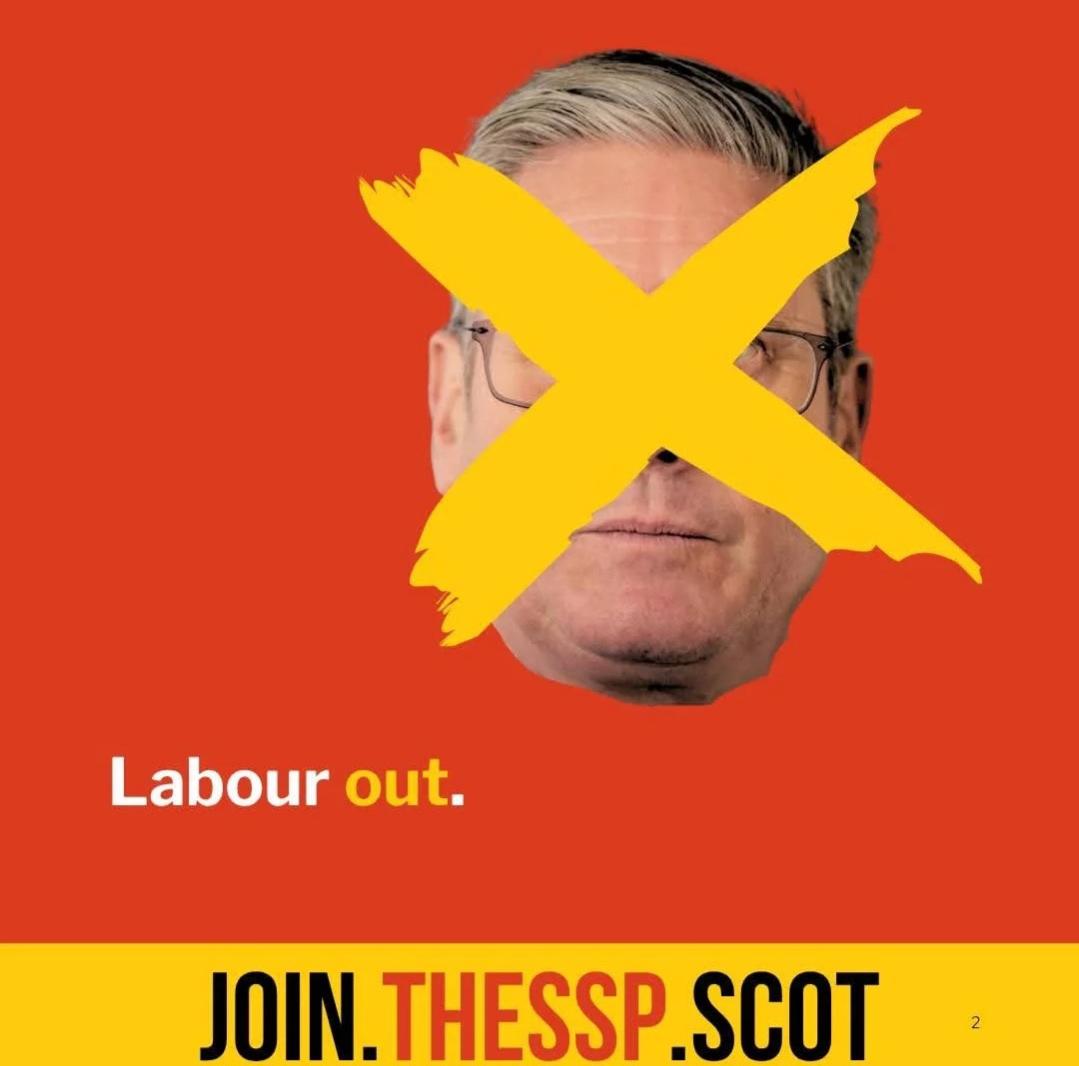
Keir Starmer’s resignation as Labour leader today comes as a result of failure. And his failures were quite exceptional. In less than two years, he went from being elected in a landslide to the most unpopular Prime Minister Britain has ever seen. History will cruelly record how he demonstrated few of the skills necessary for ‘the best job in the country’.
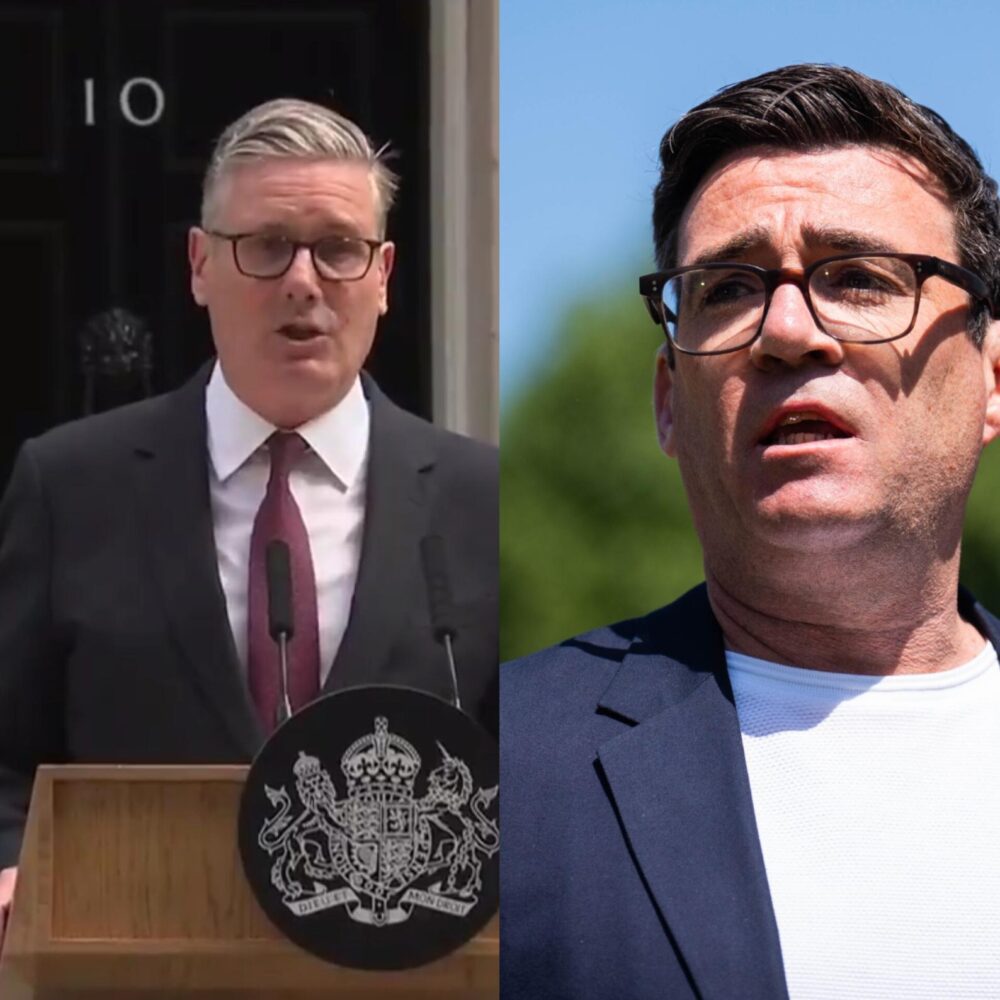
The Makerfield byelection, orchestrated to provide Andy Burnham with a route back to Parliament, represented the end of Keir Starmer’s premiership. With his commanding win in the ‘Get Starmer out’ election Burnham is set to become Britain’s seventh Prime Minister in ten years!
But it will take more than a new leader, a recycled MP at that, to save Labour from further humiliation. This point was potently illustrated by the other vote on Thursday.
The Aberdeen South byelection [caused by Stephen Flynn’s elevation to Holyrood] saw Labour trail in behind the Tories, SNP and Reform, and almost lose their deposit. Indeed, in a sobering antidote to their success in Makerfield, Labour were also beaten by the SNP and Reform in both the Aberdeen and Broughty Ferry contests.
A leadership contest?
Notwithstanding Burnham’s victory Starmer defiantly insisted he would not stand down to instead ‘finish the job I started’. Most Labour MP’s wanted him to go, however. And ‘Burnham’s team believed that Starmer will be hit by a series of ministerial resignations next week if the prime minister tries to hang on’. [Financial Times 19/6/26]
Wes Streeting’s faction of orthodox Blairites on the Right of the party have announced his intention to stand if there is a contest. Most commentators expected Starmer to resign, however, to avoid the humiliation of a large Burnham victory.
The former Mayor of Manchester remains the hot favourite as he is backed by the party’s ‘soft Left’ parliamentary majority. Indeed ‘A You Gov poll of Labour members last month suggested Burnham would beat Streeting by an 80-10 margin in a head-to-head vote’ [FT 19/6/26].
When Burnham triumphs, we are entitled to ask what will change with his elevation to the top job? Very little, is the short answer. His programme for government dubbed ‘Manchester socialism’ has been subjected to scrutiny over the past month and wilted under pressure.
He abandoned the promise made to the Waspi women regarding their pensions for example, then dumped his pledge to confront the ‘fiscal rules’ imposed by the bond markets before meekly accepting Starmer’s plan to cut welfare spending to pay for greater militarism.
Yet Burnham knows full-well that 70% of the welfare budget is spent on the state pension. And fifteen million retirees have already warned him to ‘come ahead if you are hard enough Andy!’
It is another battle Labour simply cannot win. Not when the most dedicated voter base in the entire electorate is confronting him over the lowest pensions in western Europe!
Let’s be clear, there are no ideological differences between Burnham and Starmer. People may remember that Burnham was expected to win the 2015 Labour leadership contest after Ed Miliband stood down – and Corbyn won.
That defeat led Burnham, who had advocated the same fiscal austerity and PFI programme of Brown and Blair he allegedly now opposes, to run off to Manchester in a huff.
The same political failures Starmer presided over haunt Burnham. No change should be expected to Britain’s negligible economic growth for example, or to our failing public services like social care, or climate change alleviation, or the redistribution of wealth, or warmongering in Ukraine and Gaza.
Few would surely disagree with Michael Crick’s assessment [The Sunday Times [21/6/26]] that ‘Burnham’s popularity is likely to wane before long’.
Is another general election on the cards?
On the face of it, an early general election seems improbable. Labour, for all its unpopularity in the country, retains a huge majority at Westminster. And most Labour MPs would lose their lucrative seats if a vote were called.
But Andy Burnham is no more capable of turning around Britain’s chronic economic, social and political decline than any of his predecessors.
Starmer had a 2024 GE victory behind him with the moral authority that brought to face down unpopularity. Burnham does not. The pressure on him to ‘go to the country’ will grow if there is no marked improvement in the conditions angering an increasingly restive electorate.
Yet another Labour leader would just not cut it. A General Election may therefore be forced upon him next year if Labour’s political fortunes do not improve markedly, and that is unlikely.
Whilst it is also unlikely any other party would be able to form a government as things stand [Reform could win 200 seats or so, the recovering Tories say 150, the Liberals 50, the SNP and Plaid jointly winning 50, the Greens 20-30 and Labour retain say 100] Britain’s ‘first past the post system’ would in the circumstances be electorally paralysed. Then what?
More questions than answers posed by Burnham
Whatever else may be said, British politics is set for a period of continuing instability, deepening social divisions and further political decline with more questions being posed than answered.
How long will Burnham himself last in Downing Street? Since his tenure does not suggest stability either, what would this political landscape mean for the national question in Scotland for example?
Or for the class struggle the length and breadth of Britain? And what should the socialist Left do then, and what indeed should it do now in preparation for the undoubted instability and chaos to come?