This article by SSP Co-Spokesperson Colin Fox was published in The National 04/08/2026
It is not difficult to find people wondering whether 21st century society hasn’t got its priorities all wrong, that instead of helping billionaires become trillionaires we should fulfil the primary needs of all our citizens. Such thoughts, it seems to me, are everywhere.
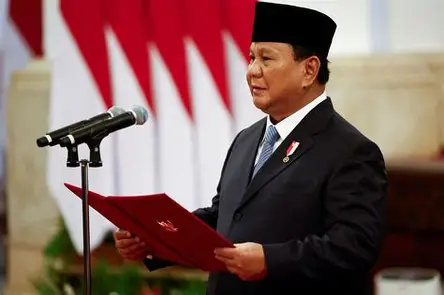
I read recently that Indonesian President Prabowo Subianto has demanded his country’s richest tycoons ‘share their wealth and do more to narrow the inequality gap’. The nine families who control south-east Asia’s largest economy have apparently been told its ‘payback time.’ Prabowo warned the ‘nine dragons’ as they are known, he wants them to fund the construction of a new capital city as Jakarta [with 49million inhabitants] is no longer viable.
Meanwhile in California Governor Gavin Newsome will hold a referendum in November to ask whether the state should take a 5% equity stake in Silicon valley’s richest tech companies on the basis that ownership is more lucrative to the public purse than a tax on their megaprofits.
In France President Macron was forced to introduce a wealth tax on millionaires last year as part of a deal to ensure his ongoing support in the National Assembly.
And in Britain Zach Polanski, Jeremy Corbyn and Andy Burnham have all spoken in favour of a wealth tax. Polanski on ‘Kuenssberg’ [BBC 1 19/10/25] proposed a 1% tax on those with assets above £10m and a 2% levy on those with more than £1bn claiming it would raise £15bn annually for public services. Corbyn favours a similar scheme with a 1% tax on assets over £1m.
Not to be outdone, Burnham advocated a 2% wealth tax while campaigning in the Makerfield by-election. Those with assets over £100m would be levied, which he claimed would raise £10bn/annum for NHS and social care budgets [The Guardian 26/6/26].
All these measures are promoted of course as a way of redistributing wealth from the rich to the poor and are popular with the electorate despite the trend having been in quite the opposite direction worldwide for several decades now.
The trillionaire Musk
Perhaps it was the news that Elon Musk, the world’s richest man, is set to pass the trillion-dollar mark, that reinforced public opinion? Or maybe it is the constant refrain that Burnham cannot raise taxes, cut services, or borrow that has people reaching for other solutions to Britain’s economic and social inequalities? Either way, it would be wise to ask whether any of them will in fact raise the sums their advocates suggest. For the fact is wealthy people do all they can to avoid paying taxes of any kind. They use accountants and tax havens across the globe to launder and hide their cash.
Such ‘enforcement difficulties’ as are placed in front of tax authorities not only protect billionaires but indicate the immensity of their political power.
That power imbalance and its associated inequality is today the widest in recorded history. The system we, the people, are up against in urging change is immensely powerful. Few politicians have the stomach for the fight and even fewer the guile to outwit it. All of which rather exposes the existential conflict between democracy [the will of the people] and the financial power vested in people like Musk.
So, should we just give up and let the rich widen further the grotesque inequalities we see every day? No, certainly not.
But we will not succeed in narrowing the gap until we recognise the politics at play and the forces the rich unleash to keep their wealth.
To tax or take their assets?
If we are under no illusions about the lengths to which the wealthy will go to protect their profits and the role of its politicians, what can we do?
Thomas Picketty, the renowned French economist, insists ‘assets are the real source of wealth’ and should therefore be the target for redistribution, not just taxes. He argues that public ownership and control of assets is more effective in redistributing wealth. Looking at the enormous wealth generated by the North Sea oil industry for example he may have a point.
We find a stark contrast between the British Sector, where private companies extracted the oil and its immense revenue paying only a small tax on their profits, whereas in the Norwegian sector the oil belonged to the publicly owned Statoil. The government in Oslo benefitted from all the revenue generated and established a sovereign wealth fund which took Norway from being one of the poorest countries in Europe to the richest per capita in the world. They didn’t settle for the scraps off Esso of Shell’s table, they owned the entire industry. How wise they were! And how foolish we.
Popularity
The electorate in Scotland have long made it clear they want to see this country’s immense wealth being shared out more equitably. We are disturbed by the poverty and inequality we see all around us. Watching billionaires become trillionaires while the poor get poorer is the wrong way round. We need that extra revenue to provide jobs for our young people, decent wages for the low paid, to save the NHS from the worst crisis in its history, provide social care we can be proud of rather than ashamed, and to build the 100,000 council houses we have been promised for decades. So, the $64million question is, who can we trust to ensure the rich do indeed make the contribution they should to the common treasury?